

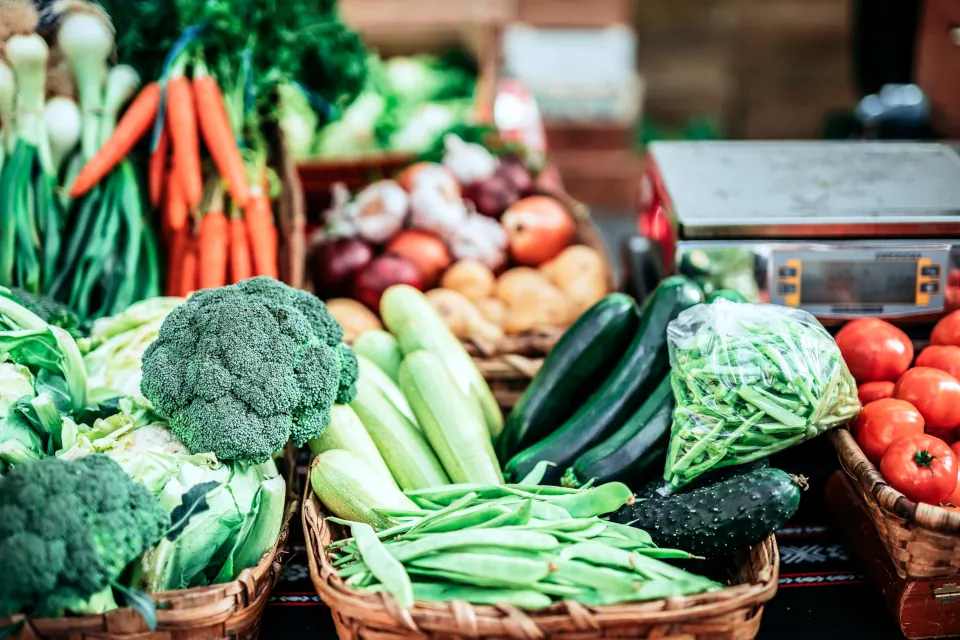
 (Photo by Iñigo De la Maza on Unsplash)
Anti-Inflammatory Diet, Core Functions And Benefits. Who Needs This?
As a Registered Nutritionist Dietitian (RND), my professional opinion is that an anti-inflammatory diet is a foundational, evidence-based eating pattern. It is not a temporary, restrictive “fad diet” but rather a sustainable shift toward nutrient-dense whole foods. Rather than merely treating tissue damage after it occurs, this dietary approach proactively calms the immune system, reduces chronic cellular stress, and mitigates the underlying triggers of many modern chronic diseases.
An anti-inflammatory diet is a healthy eating pattern that focuses on foods that help reduce long-term inflammation. Instead of relying on processed and sugary foods, this diet encourages eating more natural, fresh, and nutrient-rich foods.
Foods to Eat More Often
A healthy anti-inflammatory diet includes:
- Colorful fruits such as berries, oranges, apples, and papaya.
- Vegetables like leafy greens, broccoli, squash, tomatoes, and carrots.
- Whole grains such as brown rice, oats, and whole wheat bread.
- Healthy fats from fish, nuts, seeds, olive oil, and avocado.
- Lean protein from fish, chicken, beans, tofu, and legumes.
- Herbs and spices like turmeric, ginger, garlic, and cinnamon.
- At the same time, it is best to limit processed foods, sugary drinks, sweets, processed meats, fried foods, and foods high in saturated and trans fats.
Benefits of an Anti-Inflammatory Diet
Following this eating pattern may help:
- Lower the risk of heart disease and stroke.
- Prevent or better manage diabetes.
- Reduce joint pain and stiffness.
- Improve energy and reduce fatigue.
- Support healthy aging.
- Lower the risk of certain cancers.
- Improve overall quality of life.
Who Needs an Anti-Inflammatory Diet?
Almost everyone can benefit from eating this way, but it is especially helpful for:
- People with diabetes or prediabetes.
- Individuals with high blood pressure or high cholesterol.
- Those who are overweight or obese.
- People with arthritis or joint pain.
- Individuals with heart disease.
- Cancer patients (under the guidance of a healthcare professional).
- Older adults who want to stay healthy and active.
- Anyone who wants to prevent chronic diseases and improve overall wellness.
An anti-inflammatory diet is not a temporary diet or a quick fix. It is a long-term healthy lifestyle that nourishes the body every day. Small changes, such as eating more fruits and vegetables, choosing whole grains, and reducing processed foods, can make a big difference over time. Remember, the food you eat today helps shape your health tomorrow.
If you need professional guidance in planning an anti-inflammatory diet that suits your health condition and nutritional needs, consult a Registered Nutritionist-Dietitian (RND). Personalized nutrition advice can help you achieve better health safely and effectively. (Susan M. Bustamante, RND, MSCN)
No Comments